If your boiler pressure keeps dropping, it can be worrying and frustrating, especially when radiators start going cold. The good news is that a lot of pressure issues follow a few common patterns, and there are some simple checks you can safely do before calling an engineer.
What boiler pressure should usually be
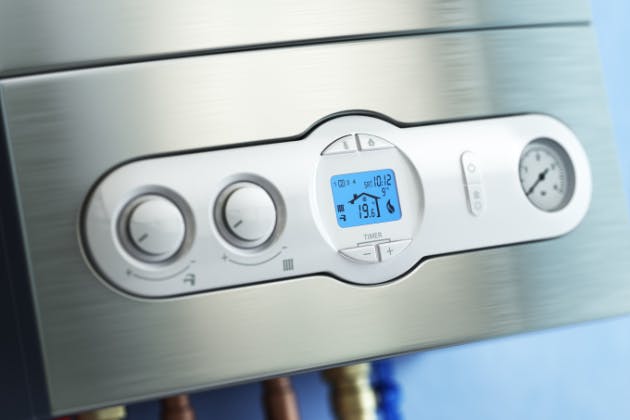
Most modern domestic boilers are designed to run at around 1 to 1.5 bar when the system is cold. As the water heats up, it is normal for the pressure to rise slightly, often up to around 2 bar.
Every boiler is different, so always check your manufacturer’s handbook or the label on the front of your boiler for the recommended operating range. Many have a green zone on the gauge to show the safe area.
If the pressure keeps dropping below 1 bar, or your boiler regularly locks out with a low-pressure fault, it usually means water is leaving the system somewhere or a component is not doing its job.
Signs your boiler pressure is too low
Low pressure can show up in several ways around the home, not just on the gauge itself. Keeping an eye on these symptoms can help you spot problems early.
Radiators cool at the top or never get properly hot
Boiler displaying low-pressure or fault codes on the screen
Noisy boiler or pipes, including gurgling or kettling sounds
Hot water or heating cutting out unexpectedly
Having to top up the boiler repeatedly to keep it running
If you are seeing one or more of these alongside a falling pressure gauge, it is time to investigate further or bring in a professional.
Safe checks homeowners can carry out
There are a few basic checks most homeowners can do safely, as long as you feel comfortable and follow your boiler manual. If in doubt at any point, stop and contact a Gas Safe engineer.
Look for visible leaks around your system
Start with a slow walk around your home, focusing on radiators, valves, and pipework you can see. Look for damp patches, green or white staining on copper pipes, or corrosion around radiator valves.
Check under sinks and near the boiler for any signs of dripping or dried water marks. Even a very small but constant leak is enough to drop your boiler pressure over time.
Bleeding radiators and topping up pressure
Air trapped in your radiators can cause cold spots and may affect the pressure. You can usually bleed radiators safely with a radiator key and a cloth or small container.
Turn the heating off and let the system cool. Gently open the bleed valve at the top corner of the radiator, release air until water flows in a steady stream, then close it firmly. Check the boiler pressure afterwards, as bleeding can lower it.
If the pressure drops below the recommended range, you may need to top it up using the filling loop. Always do this in small amounts and never exceed the upper limit stated in your manual.
Filling loop basics and safety
The filling loop is usually a silver flexible hose with one or two small valves, connecting your boiler to the mains water supply. With the boiler off and cooled, you can open the valves slowly until the gauge reaches the correct pressure.
Once the gauge is where it should be, close both valves securely and make sure the loop is not left permanently open. If you are having to use the filling loop regularly, that is a sign of an underlying problem and not something to ignore.
Common reasons boiler pressure keeps dropping
Frequent pressure loss almost always has a root cause. Understanding the most common ones can help you have a clearer conversation with your engineer.
Small leaks in the heating system
Tiny leaks around radiator valves, pipe joints, or under floors are one of the biggest causes of persistent pressure loss. They can be hard to spot, especially if the water evaporates or runs into hidden areas.
If you see any staining, corrosion, or damp patches near pipework, take a photo and mention it to your engineer. They can then pressure-test the system and repair or replace the affected parts.
Pressure relief valve discharging
Your boiler has a pressure relief valve (PRV) to protect the system if the pressure gets too high. If the PRV is faulty, or if the boiler has been over-pressurised, it can start to let water out even at normal pressures.
Outside your property there is usually a short copper pipe pointing safely towards the ground. If you see water dripping or staining beneath this pipe, it could indicate the PRV is discharging and needs attention.
Expansion vessel problems
The expansion vessel absorbs the natural expansion of water as it heats up. If its internal air charge has been lost or the vessel has failed, pressure will rise too quickly when the heating comes on, then drop when it cools.
This kind of fault needs professional diagnosis and recharging or replacement of the vessel. It is not something a homeowner should attempt to fix themselves.
Recently bled radiators
If you have recently bled several radiators, a one-off pressure drop is normal as air is released and replaced with water. Topping the pressure up once afterwards is usually all that is needed.
However, if the pressure keeps falling day after day after bleeding, there is likely another issue at play, such as a leak or a problem with one of the boiler’s safety components.
Issues needing professional diagnosis
Sometimes the cause of falling pressure is not visible. Internal boiler leaks, faulty heat exchangers, filling loops that leak, and control faults all require a Gas Safe engineer to investigate safely.
In the Romsey area, it makes sense to get these checked promptly, both for safety and to avoid more costly damage to your boiler over time.
Safety: what you should not do
Do not keep repressurising the boiler every day just to keep it going. Constantly adding fresh water introduces oxygen into the system, which can cause corrosion and sludge build-up.
Never remove or open the boiler casing yourself. This should only be done by a qualified Gas Safe engineer, as there are gas and combustion components inside that must be checked and sealed correctly.
If you see signs of scorching, or hear unusual noises from the boiler, turn it off and call an engineer immediately.
When to stop and call a Gas Safe engineer
If you have checked for obvious leaks, bled radiators, and topped up the pressure once or twice, yet the gauge still keeps dropping, it is time to stop DIY checks. Ongoing pressure loss nearly always needs professional attention.
An engineer can inspect the boiler, test the expansion vessel, check the PRV, and carry out any repairs safely. They can also ensure your system is set up correctly for your home’s size and pipework layout.
Quick FAQ on dropping boiler pressure
Is it safe to use my boiler with low pressure?
Most boilers will shut down before pressure gets dangerously low, but running with ongoing low pressure can cause wear and unreliable heating. It is better to address the cause promptly.
How often is it normal to top up boiler pressure?
Many systems will not need topping up for months or even years. If you are topping up more than a couple of times a year, or especially every few weeks or days, that points to a fault.
Can low pressure damage my boiler?
Short-term low pressure is usually not catastrophic, but repeated cycling, air entering the system, and constant topping up can reduce the boiler’s lifespan and lead to expensive repairs.
Next steps and preventative maintenance
If your boiler pressure keeps dropping or you are unsure what to do next, booking a Gas Safe visit is the safest option. A professional can track down the cause, repair any leaks, and reset your system to run efficiently again.
Regular servicing and checks can also catch issues early. For more on how we help, see our boiler services and boiler servicing pages, or give Pegasus Plumbers Ltd a call on 07584495834 to arrange an appointment.