Boiler corrosion is one of those issues that can build quietly over time, then suddenly show up as leaks, noisy heating, or a boiler that keeps losing pressure. It is frustrating because the symptoms often feel random, but the causes are usually straightforward once you know what to look for. With the right maintenance habits, many corrosion problems can be avoided and your system can stay more reliable for longer.
If you are trying to protect your boiler, the goal is simple: keep oxygen out of the system, keep the heating water in good condition, and deal with small faults before they turn into bigger damage. This is exactly where regular boiler servicing comes into its own, because it helps catch early warning signs and keeps your system protected year after year.
Keeping Your Boiler Protected From Corrosion
Corrosion happens when metal inside your heating system reacts with water and oxygen. In a sealed system, oxygen levels should stay low, but leaks, frequent topping up, and poor water treatment can introduce fresh oxygen and trigger rusting. Over time, corrosion can reduce efficiency, restrict circulation, and cause parts to fail earlier than they should.
What boiler corrosion looks like in everyday use
Corrosion does not always present as obvious rust on the outside of the boiler. In many homes, the first signs are performance related, such as radiators taking longer to heat up or certain areas staying cool even after bleeding. You might also notice gurgling, kettling, or a boiler that sounds harsher than normal when it fires up.
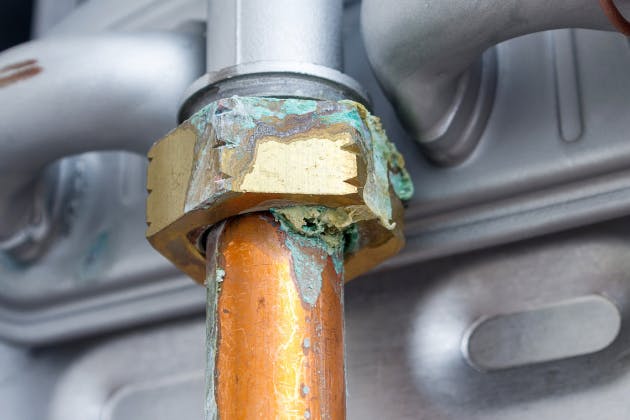
Visual clues can appear too, especially around pipe joints and valves. Rust coloured staining, small drips, and discoloured water when bleeding radiators can all suggest the system water is contaminated. If the boiler pressure regularly drops and you are often topping it up, that can be a sign of a leak and a common pathway for oxygen to keep entering the system.
Common causes of boiler corrosion
Most corrosion problems come down to oxygen, water quality, and a lack of protection inside the system. Once the process starts, it can create sludge that moves around the pipework and causes even more issues. Understanding the causes makes it easier to prevent corrosion rather than just reacting to breakdowns.
Frequent pressure loss and topping up
If your boiler needs topping up often, the system is not staying sealed properly. Every time fresh water is added, it brings dissolved oxygen which feeds corrosion internally. Even if the top up fixes heating in the short term, it can make the long term problem worse if the underlying cause is not found and repaired.
Sludge and magnetite build up
When corrosion occurs inside radiators and steel components, it can create magnetite, a black sludge that circulates around the system. This sludge restricts water flow and reduces heat transfer, which can make rooms feel colder and increase running costs. Over time it can also strain pumps, valves, and other parts that rely on good circulation.
Low or missing inhibitor protection
Inhibitor is a chemical added to the heating water to help prevent corrosion and scale. If a system has never been dosed properly, or if inhibitor levels have been diluted by repeated topping up, protection can drop without you noticing. A key part of boiler servicing in Southampton and Romsey is checking system condition and making sure corrosion protection is still doing its job.
Small leaks that go unnoticed
Tiny leaks around radiator valves, joints, or components near the boiler can be easy to miss, especially if they evaporate before forming a visible puddle. Even small losses can cause pressure to fall and lead to repeated refilling, bringing more oxygen into the system. Addressing small leaks early is one of the most practical ways to reduce corrosion risk.
How to prevent boiler corrosion
Preventing corrosion is not about one big fix, it is about a few consistent habits that protect the whole heating system. The best approach combines regular checks, good water quality, and early action when something changes. This helps keep your boiler efficient and reduces the chance of unexpected breakdowns.
Keep the system sealed and stable
If your pressure keeps dropping, do not ignore it or treat topping up as normal. A stable system should not need frequent refills, so ongoing pressure changes are worth investigating. Fixing the cause protects the boiler and reduces the oxygen that drives corrosion.
Make boiler servicing part of your routine
Regular boiler servicing in Southampton and Romsey helps spot early signs of corrosion, circulation issues, and pressure problems before they lead to failures. It also provides a chance to check whether your system water needs treatment and whether protection levels are still effective. Over time, this kind of maintenance can make a noticeable difference to reliability.
Deal with cold spots and slow heating properly
If radiators have cold areas, the cause is not always trapped air. Sludge can create the same symptom, and bleeding alone will not remove it. If the problem keeps returning, a proper system assessment and cleaning approach is often a better long term solution.
When corrosion turns into a bigger heating problem
Corrosion rarely stays isolated, because the heating system is a loop and contaminants travel around it. If left unchecked, corrosion can lead to blocked radiators, recurring pressure loss, pump issues, and in some cases leaks that cause damage to surrounding surfaces. At that stage, costs often rise because multiple components can be affected, not just one part.
This is why prevention matters even when your boiler is still working. A proactive visit from a heating engineer in Southampton and Romsey can help you understand what is happening inside the system and put steps in place to stop corrosion becoming a recurring issue. It is often cheaper to protect and maintain than to repeatedly repair.
Boiler servicing in Southampton and Romsey with Pegasus Plumbers Ltd
Looking for year round peace of mind with boiler servicing in Southampton and Romsey? Pegasus Plumbers Ltd can help with servicing, system health checks, and practical advice to reduce corrosion risk. Call us on 07584495834 or fill out our contact form to book a visit.