If your radiators feel warm at the bottom but stay cold at the top, or if you hear gurgling or knocking sounds when the heating is on, there’s a good chance air is trapped inside your system. Bleeding your radiators is a simple but effective task that helps release this air, allowing hot water to flow properly and keeping your home evenly heated. It’s something many homeowners can do themselves with just a few basic tools.
Steps to Keep Your Heating System Running Efficiently
Bleeding your radiators improves both comfort and efficiency. When air becomes trapped in the system, it stops water circulating evenly, meaning your boiler has to work harder and use more energy to heat your home. By regularly bleeding your radiators, you can save on energy bills and reduce wear on your boiler.
Preparing for the Task
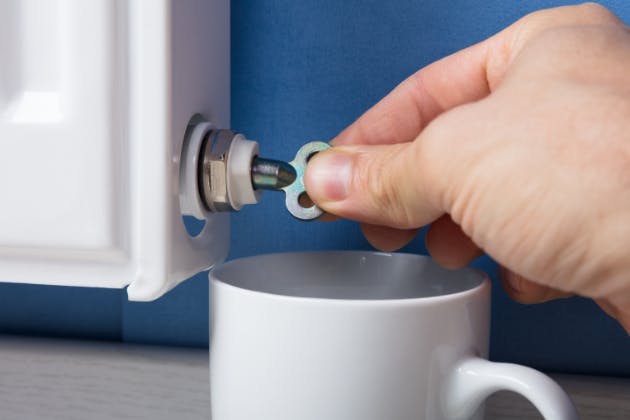
Start by switching off your central heating and allowing it to cool completely. Working on a hot radiator can be dangerous, so always give it time to cool down before starting. You’ll need a radiator key, a small cloth or towel, and a container or jug to catch any drips of water. It’s also a good idea to wear gloves, especially if you’re bleeding several radiators.
Locating and Opening the Valve
Once your heating system has cooled, locate the small bleed valve, usually found at the top corner of the radiator. Insert your radiator key into the valve and turn it slowly anti-clockwise. You’ll hear a hissing noise - this is the trapped air escaping. Keep the container underneath to catch any water that comes out once the air is released. When a steady stream of water flows without sputtering, turn the key clockwise to close the valve securely.
Checking Your Boiler Pressure
After bleeding your radiators, always check your boiler’s pressure gauge. Bleeding can cause a small drop in pressure, which may stop your system from running efficiently. The ideal pressure is usually between 1 and 1.5 bar, but check your boiler manual for your model’s specific range. If the pressure is too low, top it up using the filling loop and then restart your heating to ensure everything is working as it should.
When to Call a Professional
If your radiator is still cold after bleeding, or if your boiler pressure keeps dropping, it could indicate a more serious issue such as a blockage, sludge build-up, or a leaking component. These problems require professional attention to avoid further damage. A heating engineer can flush your system, replace faulty valves, and ensure your boiler and radiators are performing safely and efficiently.
Need Expert Boiler Repairs in Romsey and Southampton?
For reliable heating and boiler repairs across Romsey and Southampton, trust Pegasus Plumbers Ltd. Our experienced engineers can help with everything from radiator issues and pressure faults to full boiler repairs and servicing. We work efficiently to restore warmth and comfort to your home while keeping your system running safely. Call us today on 07584495834 or fill out our contact form to arrange a visit from our team.