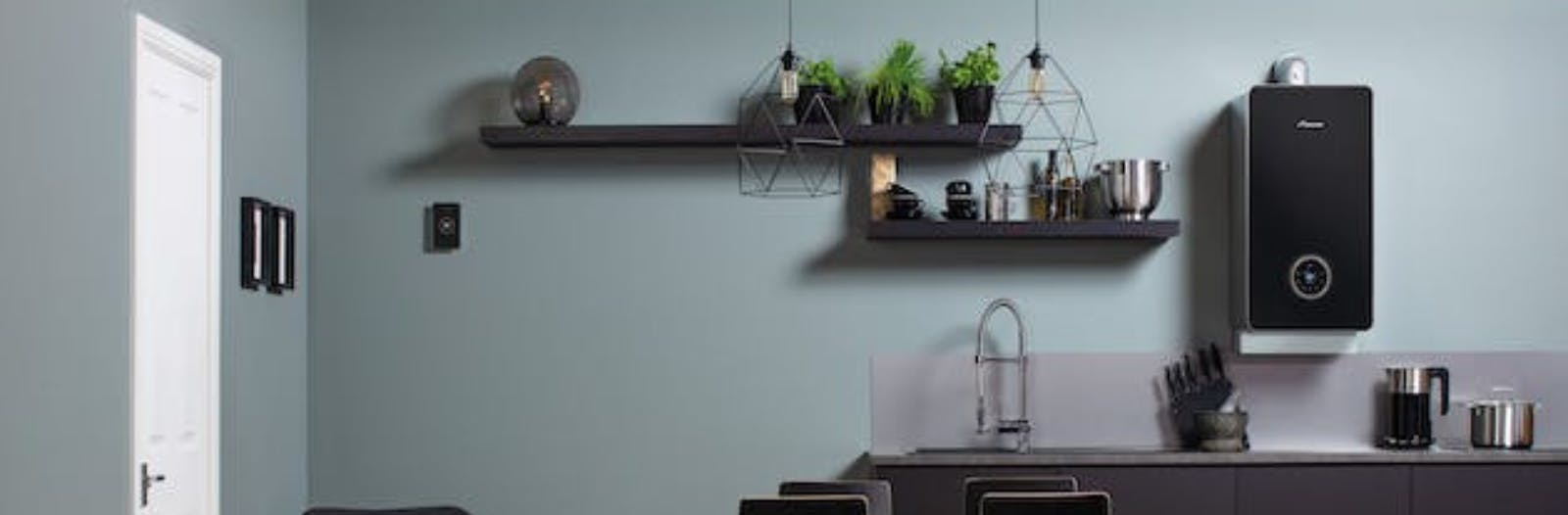
If you spot a drip or a small puddle under your boiler, treat it as urgent but stay calm. Safety comes first: never remove the boiler casing, if you smell gas call the National Gas Emergency number on 0800 111 999 immediately, and if water is near electrics, switch the boiler off at the controls and, if safe, isolate the power at the fused spur or consumer unit.
First actions to take when your boiler is leaking
Your first job is to keep everyone safe and limit damage, not to work out the exact fault. Stay clear of any live electrical parts and avoid touching pipework that might be very hot.
Place an old towel or tray under the leak to catch drips and protect floors. Make a mental note of where the water appears to be coming from so you can explain it clearly to an engineer later.
Do turn off the boiler at the control panel if the leak is more than a light drip
Do not take the boiler cover off or undo any screws
Do move items and furniture away from the affected area
Do not ignore repeated leaking, even if it seems minor
If at any point you feel unsure or unsafe, turn the boiler off and call a Gas Safe registered engineer.
Common reasons boilers leak water
Most boiler leaks come from a handful of common issues. You cannot diagnose them fully without opening the case, but understanding the basics helps you decide what to do next.
A very frequent cause is the pressure relief valve (PRV) discharging water if the system pressure has been too high. Internal rubber seals can harden or split over time, leading to slow drips inside the boiler that eventually show as water outside.
Corrosion on pipework or the heat exchanger can create very small holes that gradually leak more. Condensing boilers can have problems with their condensate pipe or connections, especially if the pipe is blocked, frozen, or poorly installed. Sometimes leaks simply come from loose pipe joints that need re tightening by a professional.
Safe checks you can carry out from the outside
While you must not remove the casing, there are a few external checks most homeowners can do safely. These checks are visual only and do not involve tools.
Check the boiler pressure gauge
Look at the pressure gauge on the front of your boiler or on the pipework nearby. On most systems, cold pressure should sit around 1.0 to 1.5 bar, and usually under 2.0 bar when the heating is hot.
If the gauge is regularly rising above 2.5 to 3.0 bar, the pressure relief valve may be letting water out. If the pressure keeps dropping below 1.0 bar, you may have a leak somewhere on the system.
Look at visible pipework and valves
Scan the pipes directly under and around the boiler. You are looking for obvious drips, wet joints, or staining that shows water has been running down over time.
Do not tighten any nuts or valves yourself, as over tightening or moving the wrong part can make the leak worse or damage safety components. Simply note where you see moisture.
Check the condensate pipe outside
Condensing boilers have a plastic condensate pipe that usually runs to a drain. Check outside where this pipe exits the wall and meets the drain or waste pipe.
Make sure it is not badly kinked, completely blocked, or visibly broken. If it is frozen in very cold weather, turning the boiler off and gently thawing the pipe with warm (not boiling) water can help, but repeated issues should be checked by an engineer.
Spot signs of PRV discharge
Your PRV usually discharges through a small copper pipe that points outside, often near the boiler location. If this pipe is dripping or there are green stains or limescale marks, the PRV has likely been letting water out.
Occasional drips after a high pressure episode might settle, but regular discharge is a warning sign that needs professional attention.
When to Use, Switch Off, or Call an Engineer Immediately
Knowing how serious a leak is can feel confusing. Use this simple decision guide to help you choose your next step.
Turn the boiler off straight away if:
You should switch the boiler off at its controls and, if safe, at the fused spur or consumer unit if any of the following apply:
There is a steady drip or stream of water rather than occasional drops, water is anywhere near electrical wiring, sockets, or the boiler's electrics, or you can hear hissing, crackling, or see any signs of scorching.
Also turn it off if the pressure keeps dropping quickly, there are repeated error codes related to pressure or leaks, or you simply cannot tell where the water is coming from and it seems to be getting worse.
It may be safe to use briefly if:
The leak is genuinely minor, such as very occasional drips that stop when the heating is off, and there is no water near electrical components or sockets. The pressure gauge is stable and within the normal range, and there are no warning lights or error codes on the boiler display.
Even then, plan to book an engineer as soon as possible, and keep a close eye on the leak. If it worsens at any point, switch the boiler off and reassess.
When to call a Gas Safe engineer urgently
Contact a Gas Safe engineer the same day if the leak is persistent or heavy, you see the system pressure changing significantly on the gauge, or the boiler is locking out with error codes linked to water or pressure.
You should also call promptly if there is water near electrics or the boiler is in a cupboard with sockets, extension leads, or consumer units close by. Any signs of corrosion, rust, or long term staining are further reasons not to delay.
Aftercare tips to limit damage while you wait
While you wait for a professional to attend, take simple steps to protect your home. Mop up standing water and keep a towel or tray under the leak to prevent further spread into floors or carpets.
Move furniture, soft furnishings, and possessions away from the damp area, and gently ventilate the room by opening a window to help dry things out. Do not use fan heaters or hairdryers directly on the boiler or pipework.
Professional help from Pegasus Plumbers Ltd
A leaking boiler should never be ignored, but with a calm, safety first approach you can protect your home until a professional arrives. The key points are not to remove the boiler casing, to turn the boiler off if the leak is more than minimal or near electrics, and to arrange a prompt inspection.
If you are in doubt at any stage, it is safer to switch off and call in an expert. The sooner a qualified engineer investigates, the lower the risk of further damage to your boiler and property.
For thorough leak diagnosis, safe repairs, and regular maintenance, book a Gas Safe engineer from Pegasus Plumbers Ltd. Visit our boilers service page to learn more about how we can help, or contact us today to arrange a call back or speak directly on 07584495834.