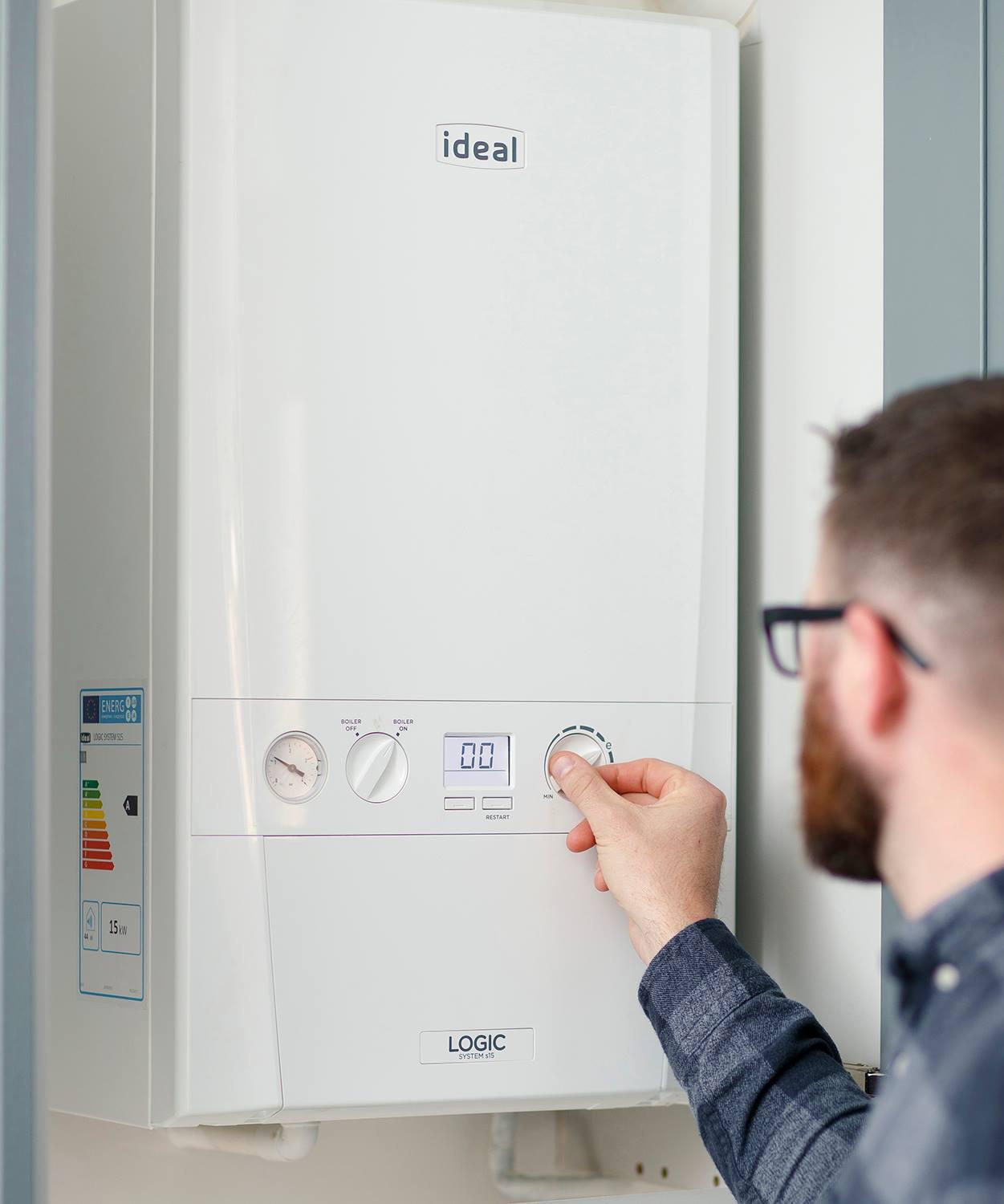
By Pegasus Plumbers Ltd

If your boiler needs replacing just as the weather turns cold, the first thing you probably want to know is how long you will be without heating and hot water. A straight swap, where the new boiler is the same type as the old one and goes in the same place, usually takes one working day. Moving the boiler, or changing from a system with a hot water cylinder to a combi boiler, usually takes two to three days.
Below we explain what happens on the day, what can add time, how to stay comfortable and the paperwork you should get. Anything on the gas side is a job for a Gas Safe registered engineer only, but there is plenty you can do to get ready.
Why a like-for-like swap usually takes a day
A like-for-like swap means a combi for a combi, or a system boiler for a system boiler, fitted where the old one was. The engineer drains the heating system, disconnects and removes the old boiler, then hangs the new one and connects the water pipes, the gas supply, the flue (the pipe that carries waste gases outside) and the condensate pipe (the small plastic pipe that carries away the water a modern boiler makes).
The system is then cleaned, refilled and tested. On most straight swaps your heating and hot water work again by the end of the day.
What can make it take longer
The most common reasons a job needs more than one day are:
- Moving the boiler. New pipe runs, a new hole for the flue and sometimes lifting floorboards. This often adds a day.
- Switching to a combi. A combi heats water straight from the mains as you use it, so the hot water cylinder and any tanks in the loft come out and the pipework changes. This usually takes two to three days.
- A gas pipe that is too narrow. A new boiler can need more gas than the old pipe from your meter can deliver, so a wider pipe has to be run.
- The flue position. Rules on where a flue can sit, such as how close it is to windows, doors and boundaries, may mean it has to move.
- A very dirty system. More on this below.
An air source heat pump instead of a boiler is a different job with its own timescale, covered on our air source heat pump service page.
Cleaning the system to protect the new boiler
Older heating systems collect sludge, mostly rust from inside radiators and pipes, which can block a new boiler's narrow waterways. The industry standard for this, BS 7593, says the whole system should be cleaned and flushed when a new boiler goes in, and an inhibitor added. An inhibitor is a liquid that slows rust forming inside the system.
A chemical clean and flush usually fits into the day. A power flush, where water and cleaning chemicals are pumped through each radiator at high speed, can take several hours on its own.
Water hardness matters too. Southern Water, which supplies Romsey, says most of the water it supplies is hard because it comes from chalk. Hard water leaves limescale inside a combi boiler's heat exchanger, the part that heats your water. In hard water areas, guidance on the Building Regulations says a scale reducer should be fitted on the cold water feed to a combi.
New controls you may need
In England, every new gas or oil boiler needs a timer and a room thermostat. When a gas combi is fitted, the rules, known as Boiler Plus, also ask for one extra energy-saving measure. That can be smart controls that learn your routine, weather compensation (which turns the boiler down when it is mild outside), load compensation (which adjusts the boiler to how warm the house already is) or a flue gas heat recovery unit. The engineer should show you how to use them before they leave.
How to plan for a day without heating
A little preparation makes the day easier, especially in winter:
- Ask for an early start, so the heating has the best chance of being back on by the evening.
- Plan showers for the night before. Hot water will be off for most of the day.
- Keep one room warm with a plug-in heater, kept well clear of curtains and furniture, and make sure anyone elderly, unwell or very young is looked after.
- Clear the boiler cupboard and the route to it, and the loft hatch if tanks are coming out.
- Know where your stopcock is in case it is needed. Our guide on how to find your stopcock shows where to look.
Please don't disconnect or remove the old boiler yourself, or move any gas pipe. By law, only a Gas Safe registered engineer can work on gas appliances and pipework.
The checks and paperwork at the end
Before leaving, the engineer tests the gas pipework for leaks, checks the boiler is burning safely with a flue gas analyser (a probe that measures the gases leaving the flue) and fills in the commissioning checklist in the boiler's manual, often called the Benchmark checklist.
After the installation you should receive a Building Regulations Compliance Certificate from Gas Safe Register, which confirms the installation has been notified to your local council. Keep it, as you may need it when you sell your home. Most manufacturers also ask for the boiler to be registered and serviced every year to keep the warranty valid, so it is worth booking in with our boiler servicing team each year.
Check the condensate pipe outside is insulated too, as a frozen one is a common reason for a boiler to stop in a cold snap. Our guide to a frozen condensate pipe explains what to do.
How we plan an installation
We look at your home before we quote: your current boiler and pipework, how much hot water you use and where the flue can go. That way we can tell you up front whether yours is a one-day swap or a longer job. If you are still deciding whether a new boiler is the right step, our guide on whether to repair or replace an old boiler can help.
If your boiler is due for replacement, Pegasus Plumbers Ltd can survey your home and tell you how long the work will take before anything is booked. You can arrange a survey through our boiler installation service.